Social media channels were washed last month with a new tourism campaign launched by Tel Aviv local government. Under the slogan "Tel Aviv: Life Worth Living" the municipality released a video featuring Israeli actor Guri Alfi addressing the international community with a message that was part invitation, part declaration, part reminder of what Tel Avivians aspire to be.
The campaign was born from a recognition that Israel's current struggles aren’t merely about security - it's about identity itself. At stake are the values that define Tel Aviv: freedom, equality and democracy. The video serves as a reminder to the world, and perhaps equally to Israelis themselves, that Tel Aviv continues standing firm on these principles even when reality becomes unstable - choosing life, every single day. For internationals, it was more about showing the city is very much alive after a turbulent period of war. For Israelis, it was more about the liberal values for which Tel Aviv stands as a symbol, competing with conservative voices within the Israeli political discourse.
Throughout the spot, Alfi guides viewers through the city's everyday moments: beaches and markets, cafes and the alleyways of Jaffa, the main thoroughfares pulsing with activity. Through the encounters, colors and rhythms, he reveals the authentic face of the city - a place that continues creating, dreaming and believing even during challenging times.
< Tel Aviv - Life Worth Living. >
Tourism, long one of Tel Aviv's economic engines, has faced severe disruption since the war began on October 7th, 2023. International visitors who once filled the city's hotels and beaches have largely stayed away. All agree that it will take some time for Tel Aviv to bring back tourism. The decision to launch a campaign now - though in the midst of ongoing regional tensions - represents a distinctly Tel Avivian form of defiance - a local version of “Keep calm and carry on”.
There's something almost audacious about a tourism campaign that doesn't promise escape or fantasy, but instead offers authenticity in the face of hardship. "Life worth living" doesn't mean life without struggle - it means life with meaning, with culture, with the freedom to create and gather and celebrate even when circumstances make celebration difficult. The campaign doesn't deny the war's trauma; it contextualizes that trauma within a larger story about what makes existence meaningful.
Walking through Tel Aviv in late 2025, you can see what the campaign is trying to capture. The cafes remain full. The beaches still draw crowds at sunset, enjoying the mild winter in this corner of the Middle East. The nightlife continues, simply because people need normalcy. This isn't denial - it's a choice about how to live through difficulty. It's the city's way of saying that resilience isn't just about survival, but about maintaining the capacity for joy.
The campaign's message to potential visitors is clear: come not despite the challenges, but because of what those challenges reveal about the city's character. Come see a place that refuses to let fear dictate its identity. Come experience what it means when a society chooses, actively and daily, that life is worth living - not in some abstract future when things get better, but right now, in all its complicated, vibrant, stubborn present tense.
As 2025 draws to a close, Tel Aviv's tourism campaign functions as more than marketing. It's a statement of values, a declaration of intent, an invitation to witness a city that continues being itself even when being itself requires courage. In choosing to spotlight its culture and nightlife, its creativity and democratic spirit, Tel Aviv isn't ignoring its trauma - it's insisting that trauma doesn't get the final word. And that makes me one of many proud Tel Avivians.
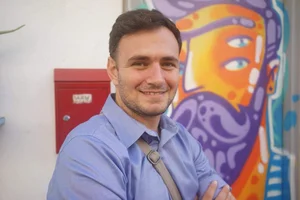
My name is Tomer Chelouche and I've been guiding tours in Tel Aviv since 2008. I started out of fascination with my family history - the Chelouche family was one of the founding families of Tel Aviv. My ancestors built this city - and I'm telling its story.
The best way to get to know Tel Aviv better is by purchasing one of my audio tours. Here's one way to experience it -
The Lily and Bloom hotel occupies a Bauhaus building on Lilienblum Street that originally housed one of Tel Aviv's banks in the 1930s. The French-Jewish family behind the property fell in love with both the location and the building itself, choosing to preserve and restore rather than demolish. Apart from being a beautiful example of the Modern Movement in architecture, that made the White City of Tel Aviv into a World Heritage Site, the magic really happens the moment you step inside.
The spacious and carefully designed lobby immediately transports you to 1930’s Tel Aviv. Every detail rewards attention - from the art pieces to the furniture, all maintaining a precise vintage aesthetic that extends through the small patio where breakfast is served and up to the fourth-floor rooftop terrace. The hotel offers thirty-seven compact rooms, divided into five categories at varying price points.
What distinguishes Lily and Bloom is its French style, most evident at breakfast. Instead of the typical Israeli spread of shakshuka and salads, you'll find brioche rolls, delicious mushroom quiche, rich cheeses - alongside shakshuka for those who want it. Evidently, the owners of Lily and Bloom brought their Continental hospitality standards from their property in Nice.
Staying at this hotel, after enjoying its special breakfast, you'll be ideally positioned and prepared to explore the nearby Gan HaHashmal area with my audio tour. The walk begins about ten minutes by foot from the hotel. Gan HaHashmal carries layers of Tel Aviv history compressed into a few city blocks and is now filled with galleries and shops, restaurants and cafes. The place started as a luxury neighborhood constructed by the financial elite of Tel Aviv in its early days, then crumbled into urban decay by the nineties, before making a remarkable comeback in recent years.
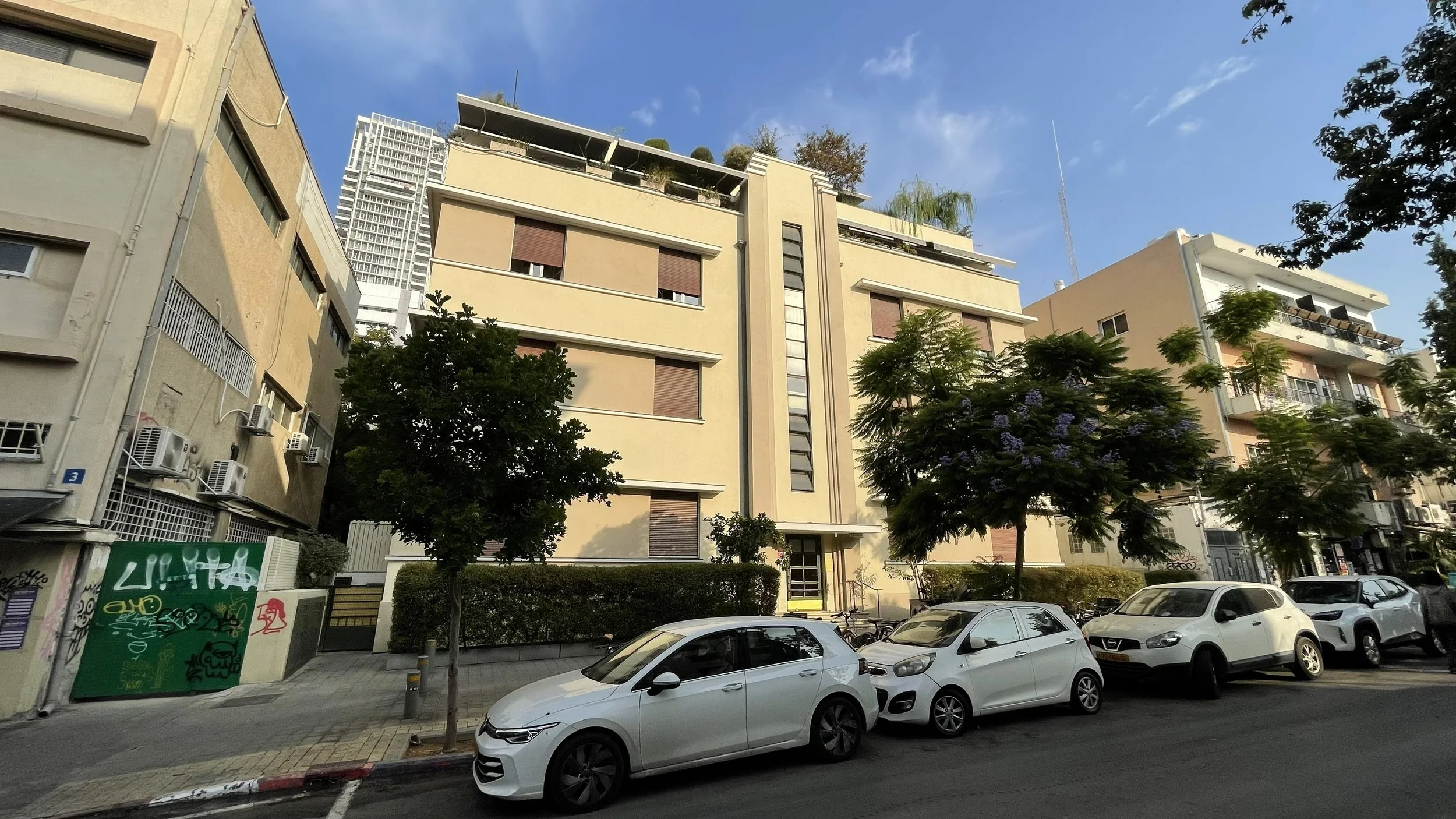
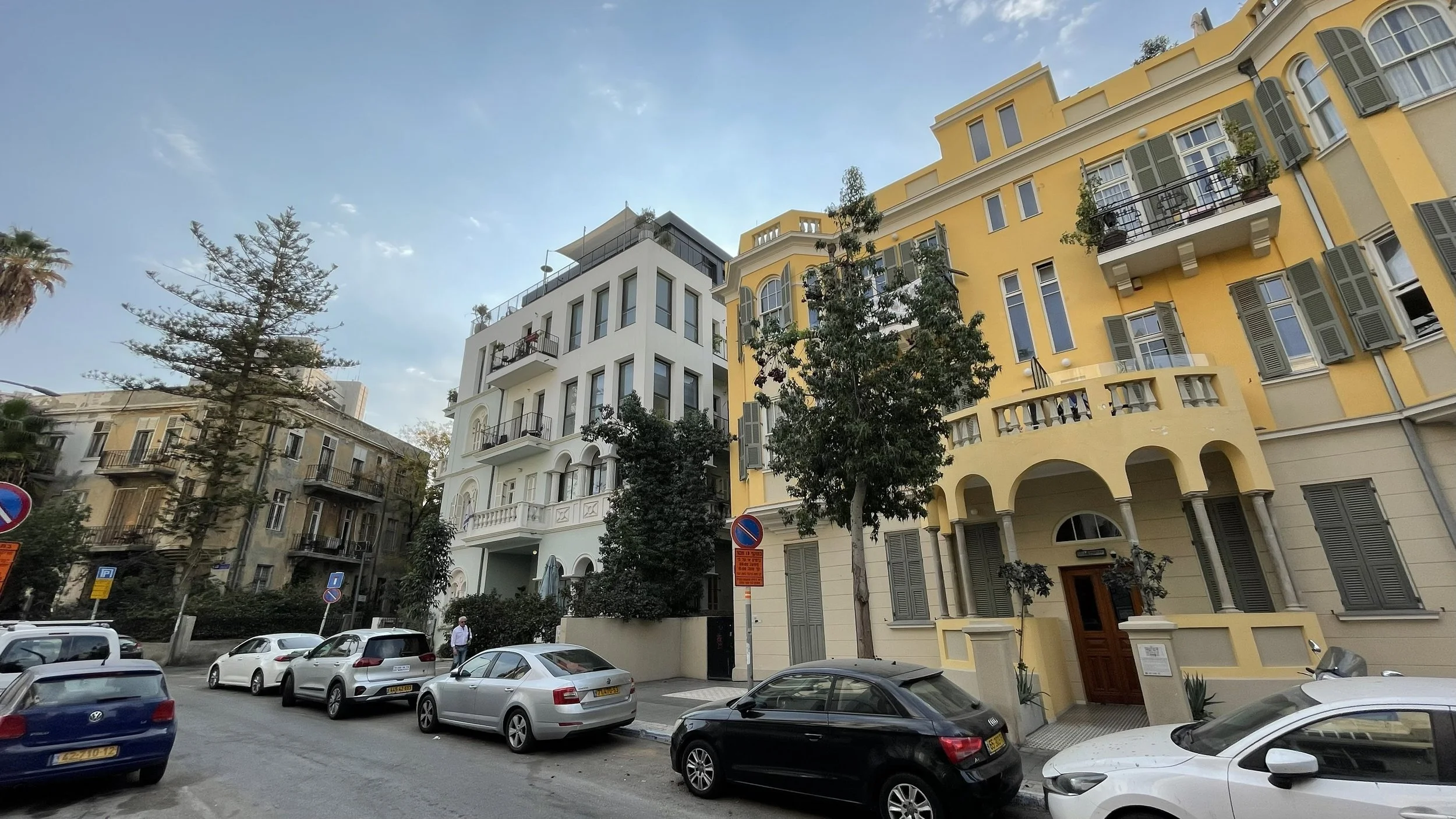
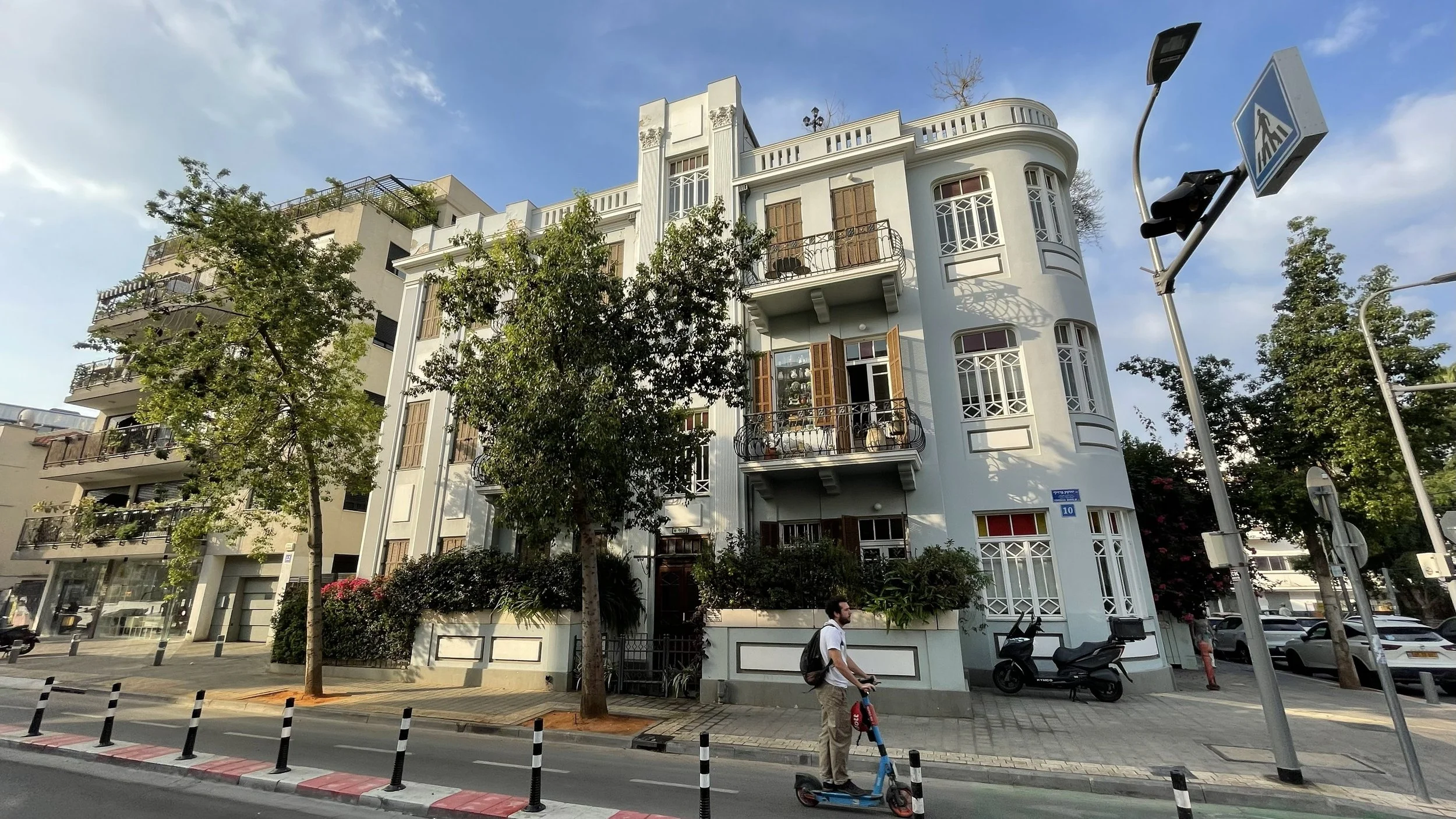
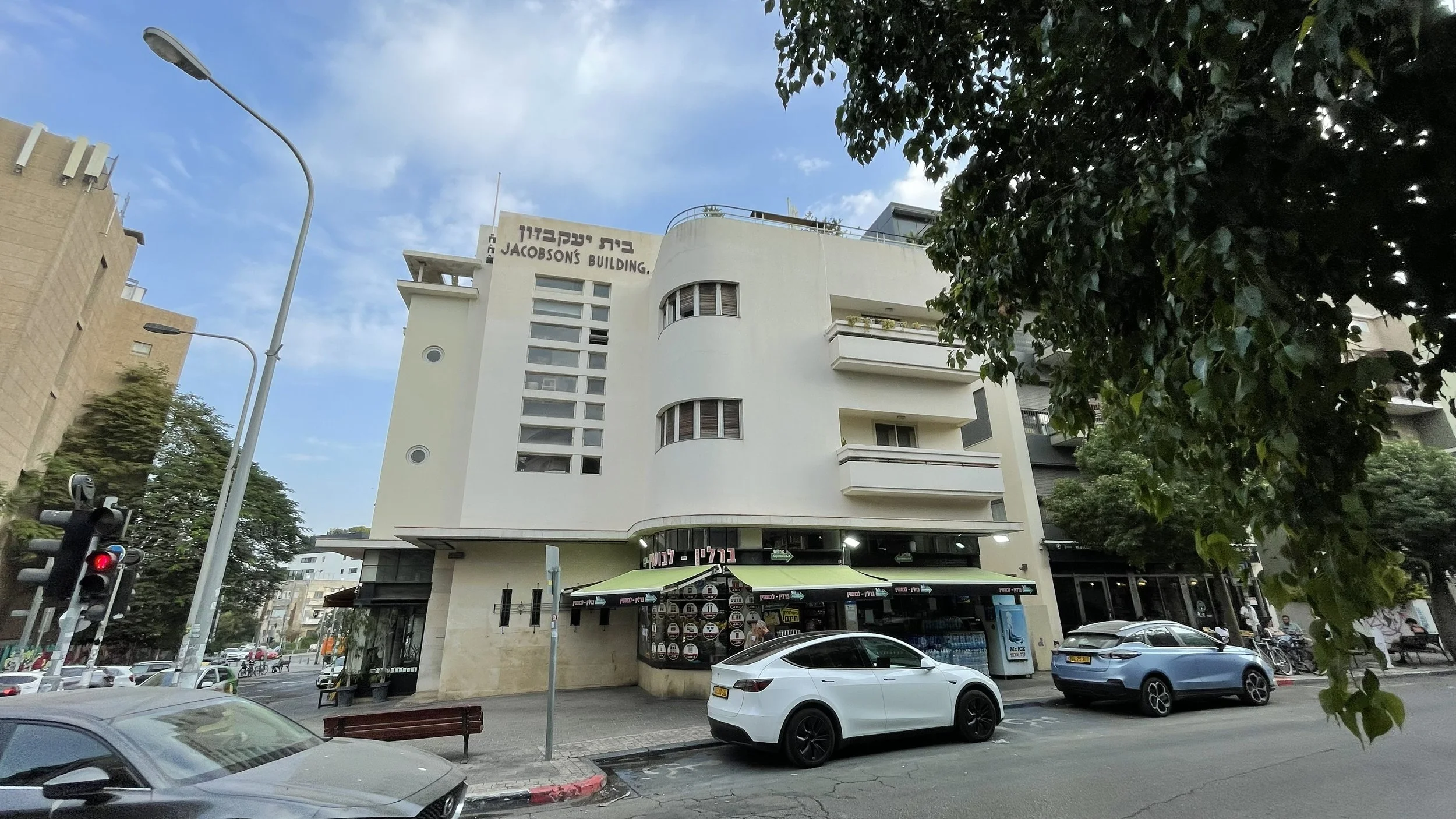
My audio tour focuses on what you see around you - the buildings themselves - and provides you with the hidden stories behind them. For example, you’ll find the place where Israel's first power plant was established, on top of what used to be an orange grove. The oranges were exported through Jaffa Port to Europe and America, branded as Jaffa Oranges - a trademark that persists today. Another spot tells you the story behind an eclectic style building that is related to one of the most celebrated love stories in Israeli history - a kind of local Romeo and Juliet story, taking place in the Jewish settlement in the Land of Israel more than a century ago.
As you stroll through Gan HaHashmal with my voice in your ears, you'd be walking through the city's aspirations and setbacks, its capacity for reinvention. My narration will guide you through streets where positive energy emanates from unique designer shops and fashionable cafes and restaurants, revealing the intriguing stories dormant in each stylish building you pass.
You can make sure you've downloaded my Gan HaHashmal audio tour before you head out, or you can download it on the go if you're set with a data package allowing for uninterrupted internet access. There's a link in the show notes to purchase my audio tour -
The Electrifying Story of Gan HaHashmal and Its Architecture
If you have any questions - you’ll find all the ways to contact me on telaviv.tours (telaviv as one word, no space, no hyphen) and there’s a link in the show notes for your digital convenience.
Travellers to Israel this January 2026 seeking warmth and dramatic desert landscapes should venture deep into the Negev, in the South of Israel, where temperatures climb significantly higher than the rest of the country. The journey south from Be’er Sheva into the heart of the desert reveals Israel's most spectacular geological formations, pioneering communities, and finally Eilat - where January temperatures reach nearly 30 degrees celsius (that's about 85 Fahrenheit), offering genuine beach weather when other parts of the world are engulfed with snow.
Visitors coming for an extended time period could venture on the typical Israel road trip to the country’s southernmost point. The drive from Tel Aviv to Eilat takes about four hours, but if you’d like to check out one or more locations along the way, you can plan for an overnight stay, making it a two day trip all the way to the beaches of the Red Sea.
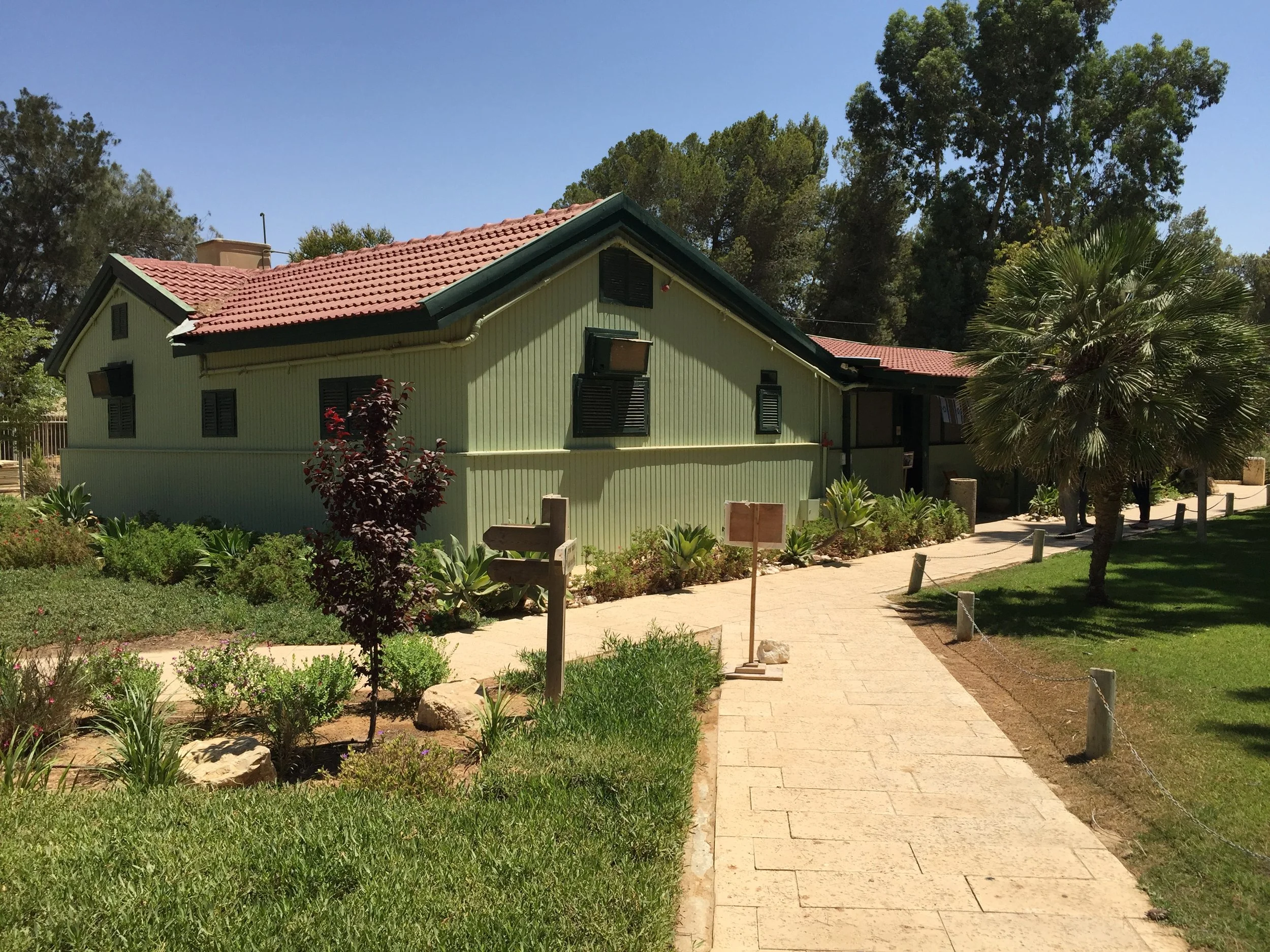
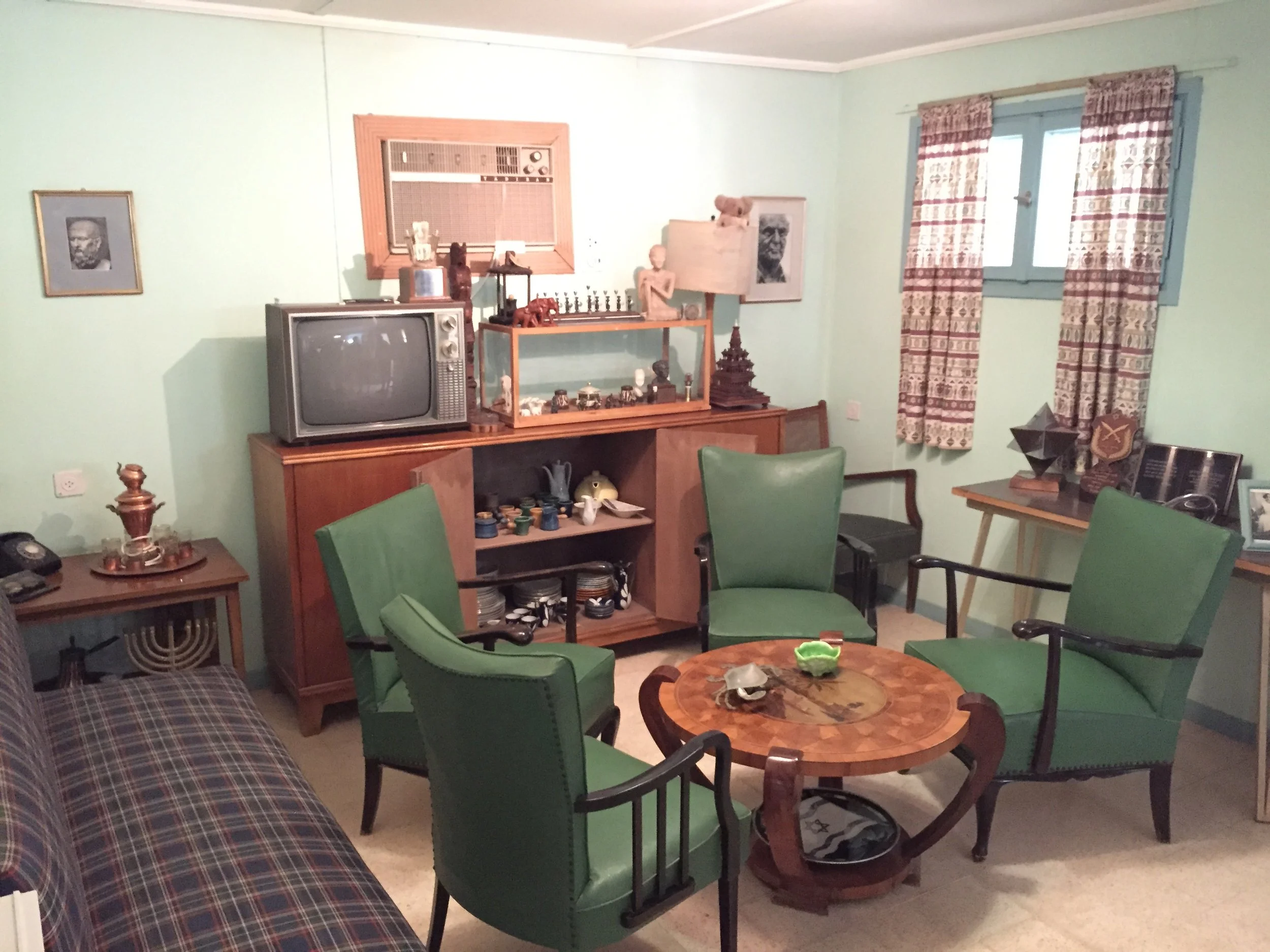
Leaving Tel Aviv by car and driving south for two hours will bring you to Sde Boker. The place holds special significance in Israeli history as the desert kibbutz where David Ben-Gurion, Israel's founding prime minister, chose to spend his later years. Ben-Gurion believed Israel's future lay in developing the Negev, and he practiced what he preached by retiring to this remote community in 1953. His modest wooden hut, preserved exactly as he left it, reveals a leader who lived simply despite his historic achievements - books line the walls, basic furniture fills the rooms, and photographs document his desert life. The adjacent Ben-Gurion Heritage Institute provides context about his vision for transforming the desert through science, agriculture and settlement.
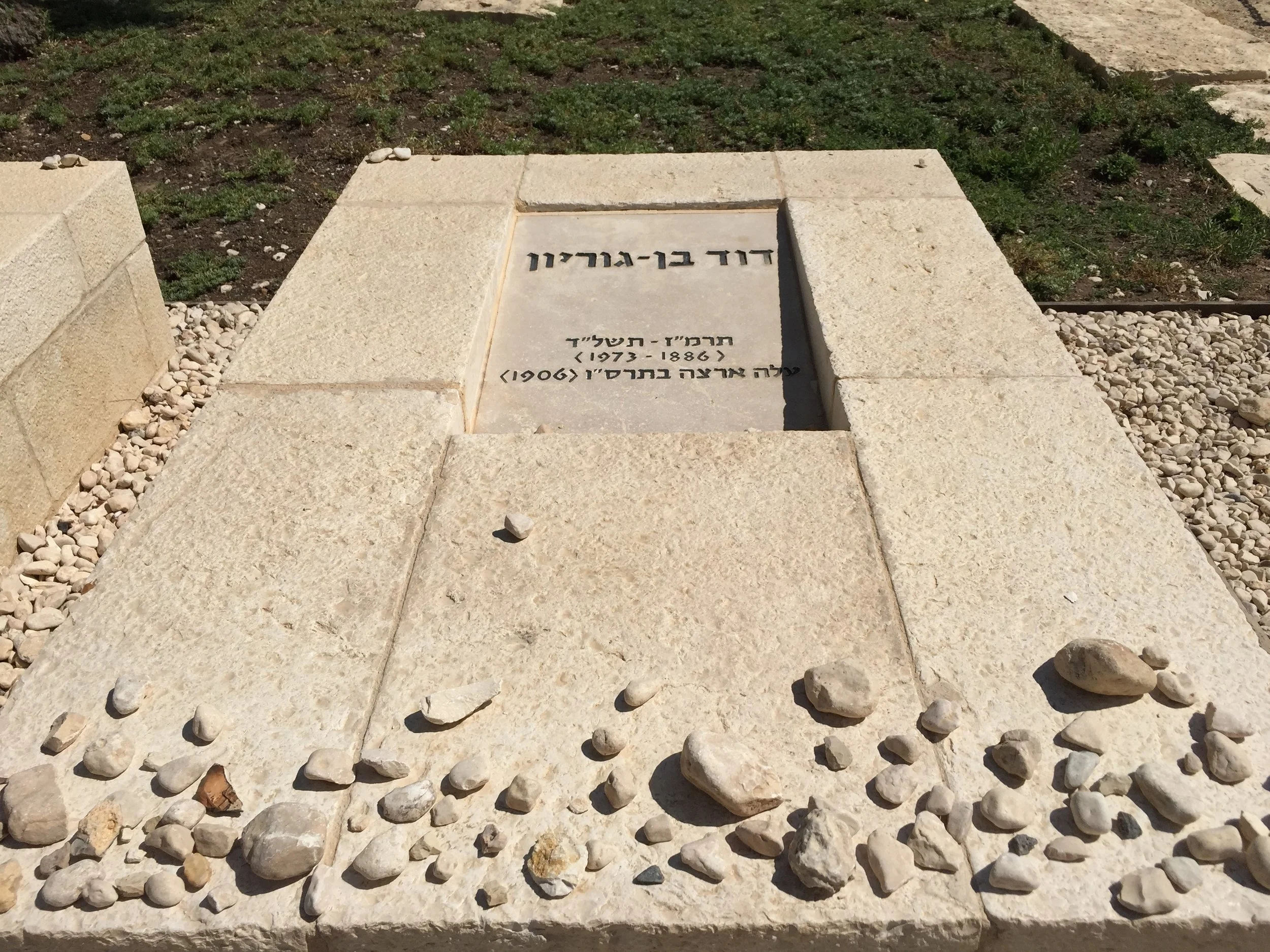
January's pleasant temperatures make exploring the area comfortable, and the kibbutz offers accommodation for visitors wanting to experience desert community life. Just outside Sde Boker, the Zin Valley provides stunning hiking opportunities. Ben-Gurion and his wife Paula are buried overlooking this valley, their tombstones laid on the backdrop of the landscape they loved.
Venturing further south you’ll reach the Ramon Crater, or Makhtesh Ramon in Hebrew, which dominates the central Negev as the world's largest erosion crater - 40 kilometers long, 10 kilometers wide, and 500 meters deep. Unlike craters created by meteor impact, this geological wonder formed through erosion over millions of years as the crater floor sank while surrounding walls remained. The result creates an otherworldly landscape that many visitors compare to visiting Mars or the surface of the Moon.
The town of Mitzpe Ramon, perched on the crater's northern rim, serves as the base for exploration. The visitors center provides excellent geological explanations and a lookout platform extending over the crater edge. Local hospitality opportunities include one of Israel’s most luxurious hotels - Be’reshit (Genesis in Hebrew) - as well as backpackers hostels.
The world's largest erosion craterץ Ramon Crater viewed from Be'reshit Hotel
Getting closer to Israel’s southern border with Egypt, the road descends into the Arava Valley, the rift valley extending from the Dead Sea to Eilat along the Jordanian border. This region represents one of the driest places on Earth, receiving less than a couple of days of rain annually, yet Israeli ingenuity has transformed parts of the valley into agricultural success. Kibbutzim scattered throughout the Arava pioneered desert farming techniques, growing crops like dates, cherry tomatoes, peppers and melons during winter months when production halts in other parts of the world.
Several Arava kibbutzim welcome visitors to tour their operations, stay in guest accommodations, and learn about desert agriculture. The valley's isolation and extreme climate create tight-knit communities where pioneering spirit remains alive. January provides ideal conditions for experiencing the Arava - summer temperatures regularly exceed 45 degrees celsius, making outdoor activity dangerous, but winter allows comfortable exploration.
Thriving communities in the arid desert. Kibbutz Ketura in the Arava Valley
Eilat, Israel's southernmost city, sits at the northern tip of the Red Sea, wedged between Egypt and Jordan, with the tip of Saudi Arabia also visible. This is the primary winter beach resort in Israel. January brings near-perfect weather - warm sunny days around 25-30 degrees celsius and cool evenings.
The real treasure of Eilat lies beneath the water surface - the coral reefs here represent the northernmost coral ecosystem in the world and one of the few accessible directly from shore. It takes some courage and a bit of an effort to get used to the cold water, but it’s worth it. The crystal-clear sea is ideal for scuba diving and snorkeling. While Tel Aviv's beaches feel too cold for most visitors in January, Eilat offers genuine summer conditions.
With the most elaborate hospitality industry compared to all other Israeli cities, Eilat offers a wide range of hotels, some of them right beside the shoreline. Spending a couple of days here, you can also check out the Underwater Observatory Marine Park - a complex featuring the world's largest aquarium windows extending below sea level and a large shark aquarium. The nearby Dolphin Reef is another attraction, most appropriate for family vacations.
To the coast of the Red Sea. Eilat
The journey from Tel Aviv to Eilat can be completed in about four hours of driving, but rushing misses the point. Take time in Sde Boker to understand Ben-Gurion's desert vision, spend at least half a day exploring Ramon Crater's landscape, visit an Arava kibbutz to see desert agriculture in action, then arrive in Eilat for several days of Red Sea relaxation. January makes this itinerary not just possible but ideal - you'll hike comfortably in the highlands, experience the Arava without extreme heat, and find Eilat at its absolute best.
Thanks for listening and you’ll hear from me again when the next episode comes out - but not next week. I am taking a break - not in Eilat, but in Tel Aviv. I will see you back in the middle of January 2026 with a new season of Tel Aviv Tours Podcast. Until then - I am Tel Aviv tour guide Tomer Chelouche, signing off and hoping to see you soon in Tel Aviv.
Show note:
• Tel Aviv - Life Worth Living.
• The Electrifying Story of Gan HaHashmal and Its Architecture
• Lily & Bloom Boutique Hotel (Booking.com affiliate link)